Cutie Pie: Graphics for T-Shirt Designs
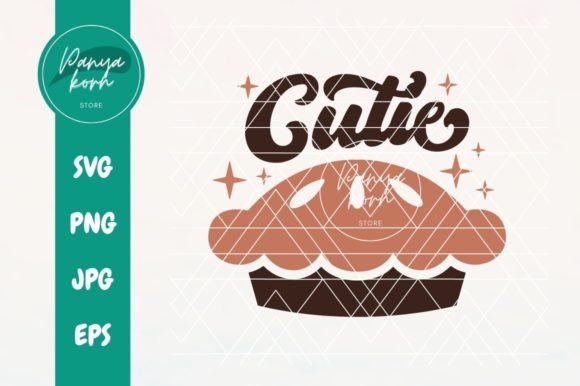
As a brand designer, I always look for graphic design assets that can elevate a small business’s visual identity. Cutie Pie is one such asset that immediately catches the eye with its soft, whimsical aesthetic. The design evokes a sense of warmth and charm, making it ideal for businesses that want to communicate a friendly, approachable personality. It feels like a perfect fit for a boutique store, a handmade soap business, or a seasonal product campaign.
The Mood and Personality of Cutie Pie
Cutie Pie exudes a playful yet elegant vibe. Its gentle curves and pastel tones suggest a feminine, festive energy that aligns well with fall-themed products or baby-related items. This makes it an excellent choice for a bakery, coffee shop, or children’s product brand looking to create a cohesive brand identity. The design feels like a natural extension of a local business that values creativity, quality, and a personal touch.
It also has a strong visual appeal that can work across multiple mediums, from product labels to social media graphics. Whether used in a print ad or a digital campaign, Cutie Pie adds a layer of personality that helps a brand stand out in a crowded market.
Real-World Applications for Local Businesses
Cutie Pie is versatile enough to be used in various aspects of a small business’s design strategy. For example, it could serve as a logo design element for a boutique or a skincare brand, adding a unique touch to their brand identity. It also works well as a product label for handmade soaps or candles, where visual appeal plays a key role in customer decision-making.
In packaging design, Cutie Pie can act as a decorative accent on hang tags, stickers, or thank-you cards. It brings a sense of cohesion to a product line, helping customers recognize and remember a brand more easily. When used in promotional visuals, such as flyers or posters, it enhances the overall aesthetic while maintaining clarity and readability.
For social media graphics and website banners, Cutie Pie can be a powerful tool to reinforce a brand’s message. It adds a visual anchor that supports the narrative of a business, whether it's promoting seasonal items or highlighting new product launches.
Supporting Business Presentation and Brand Trust
Using a well-crafted graphic design asset like Cutie Pie can significantly enhance a business’s presentation. It contributes to a stronger first impression, which is crucial for attracting and retaining customers. A visually appealing design helps build trust, especially when a business is just starting out or trying to establish itself in a competitive market.
Cutie Pie also supports better product recognition and a clearer visual hierarchy. When integrated into product mockups or packaging, it ensures that the brand’s message is communicated effectively without overwhelming the viewer. This is particularly important for small businesses that rely on consistent branding to create a professional image.
Moreover, it helps in creating a more polished marketing visual that resonates emotionally with the target audience. A design that feels authentic and thoughtful can make a big difference in how customers perceive a brand, leading to increased loyalty and repeat business.
Where Cutie Pie Shines
Cutie Pie excels in applications where visual appeal is a priority. It works exceptionally well as a product label, especially for seasonal items or limited-edition products. As a hero graphic on a website banner or social media post, it draws attention and reinforces the brand’s identity.
It also serves as a great decorative brand element for boutique visuals or seasonal packaging. When used in a product mockup, it gives a clear idea of how the final design will look, helping businesses make informed decisions before production.
Additionally, Cutie Pie is ideal for thank-you cards or promotional banners, where a touch of personality can make a lasting impression. Its adaptability makes it a valuable addition to any creative marketplace asset collection.
When to Use with Caution
While Cutie Pie is a strong design asset, it may not be suitable for all branding contexts. In formal corporate branding, where minimalism and professionalism are key, it could feel too whimsical or distracting. Similarly, on very small labels or crowded product packaging, it might lose its impact and become difficult to read.
It should also be avoided in areas where legal information or ingredient lists are present, as it could compete with essential text. Low-contrast backgrounds may also diminish its visibility, making it less effective in certain applications.
For luxury minimalist brands, where simplicity is the goal, Cutie Pie might not align with the desired aesthetic. It’s important to consider the overall brand voice and ensure that the design complements rather than conflicts with existing elements.
Practical Designer Notes
Before using Cutie Pie for client work or physical product sales, it’s essential to test it on real packaging mockups. Check how it looks in black and white, as this can reveal issues that aren’t obvious in color. Preview it on small labels to ensure it remains legible and impactful at different sizes.
Testing it alongside different font styles—such as serif, sans serif, script, or handwritten fonts—can help determine how it interacts with typography. Also, confirm that the design asset comes with a commercial license, as this is critical for any business planning to use it in a professional setting.
Reviewing the PNG transparency and inspecting the SVG or vector editability can provide insights into how flexible the design is for customization. Comparing it with competitor packaging can also highlight its unique value and potential for differentiation.
Cutie Pie is a valuable graphic design asset that offers a range of possibilities for small business branding, product packaging, and promotional visuals. With careful consideration and thoughtful application, it can help local businesses create a more engaging and professional brand presence. Whether used in a T-shirt design or a seasonal campaign, it adds a touch of charm that resonates with customers and strengthens a brand’s visual story.